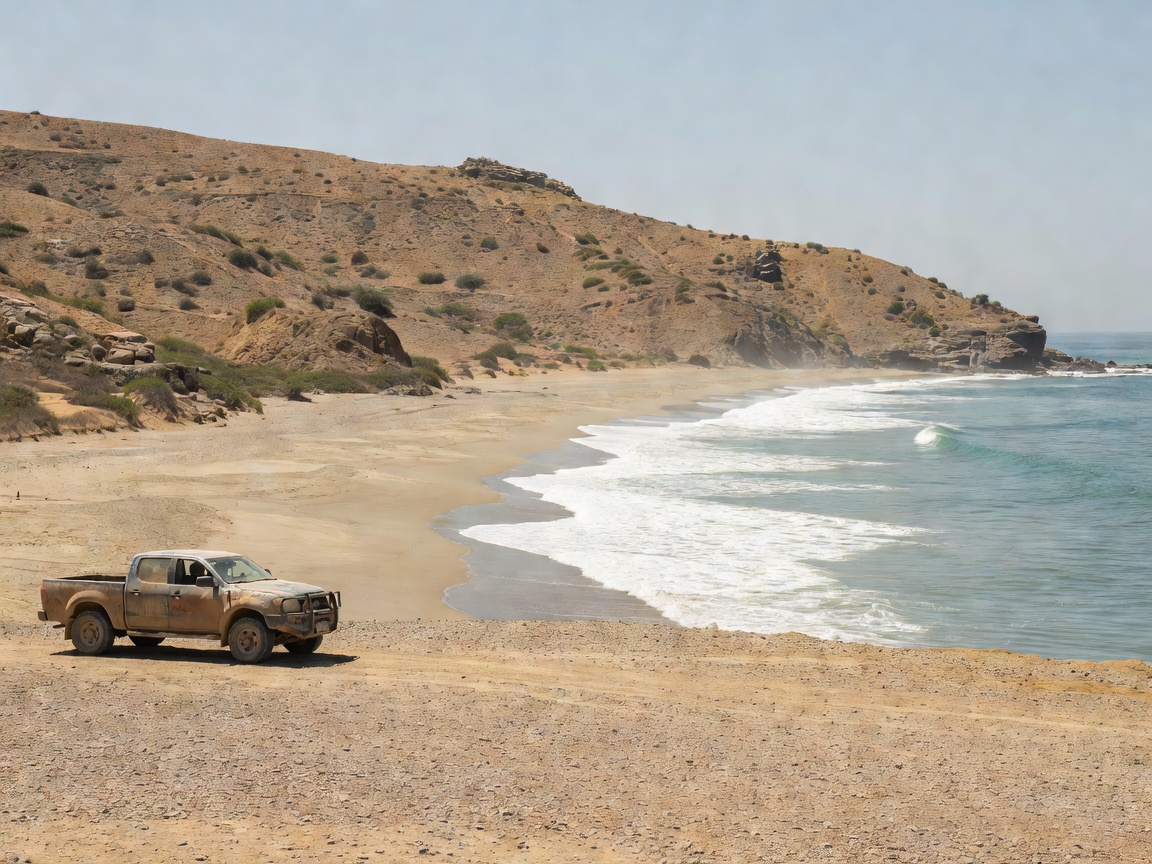
Landmarks on a surfer’s map
Famous waves earn their reputation because their underwater contours turn raw ocean energy into long, mechanical walls. Yet showing up at a renowned break without understanding the entry keyhole, the current conveyor belt, or the gentler wave two bays over can turn a dream into a spectator trip. Here is how to approach five legendary surf zones on realistic terms.
Uluwatu & The Limestone Reef Chain
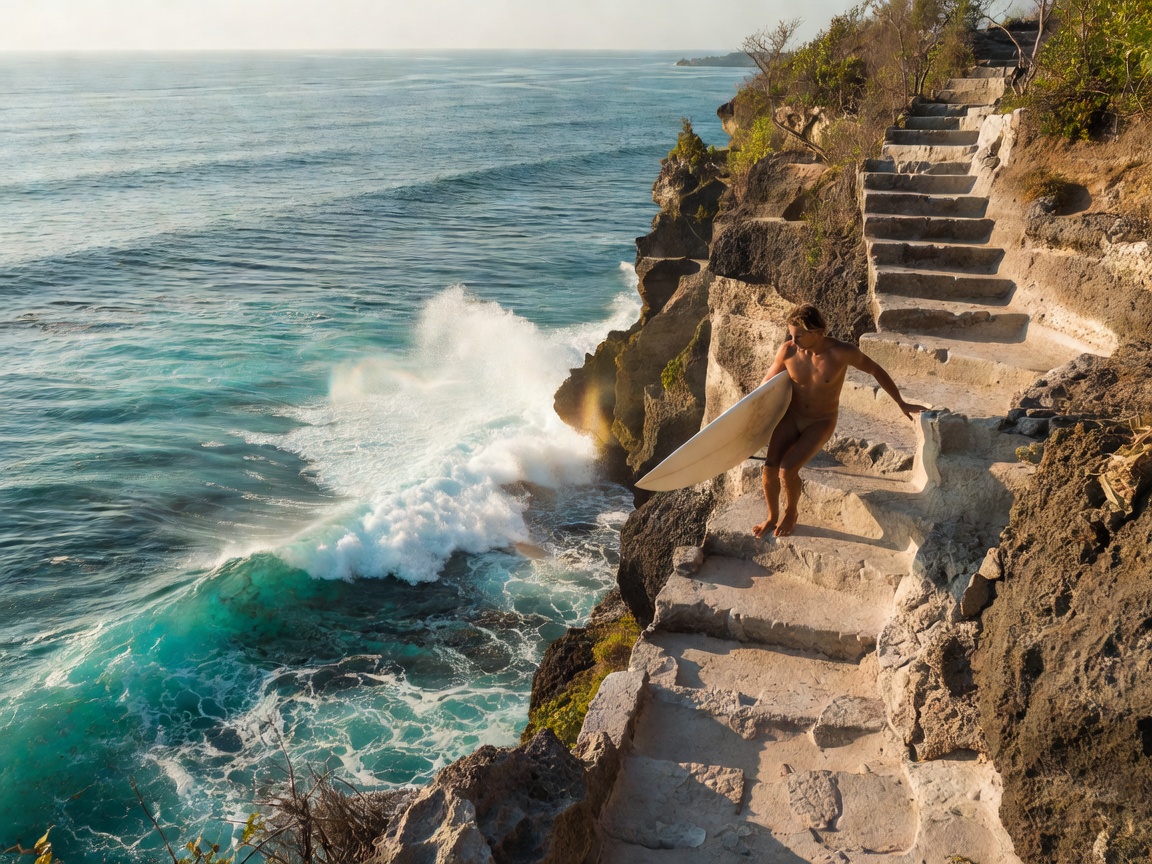
Descending the carved stone steps beneath the cliffside warungs at Uluwatu remains a rite of passage for travelling surfers. What makes Uluwatu remarkably versatile is that it is not a single takeoff spot, but five distinct reef sections spread across half a kilometre of coral shelf. On a dropping mid-tide with a four-foot swell, Racetracks speeds down the reef like a skatepark, while Main Peak and The Peak handle overhead sets with deep-water entry points.
The Candid Reality: Paddling back in through the cave requires timing the surge between sets; miss the gap on a big incoming high tide and you will be swept north toward Padang Padang. If the main reef looks too intense, walk or scooter ten minutes to Baby Padang or Thomas Beach for a far less intimidating paddle-out.
- PRIME WINDOW: April–October (SE trade winds blow groomingly offshore)
- QUIVER PICK: Rounded-pin daily driver + a step-up 3 inches taller for solid pulses
- ALTERNATIVE PEAK: Toro Toro or Airport Lefts across the bay
Jeffreys Bay: From Boneyards to Point
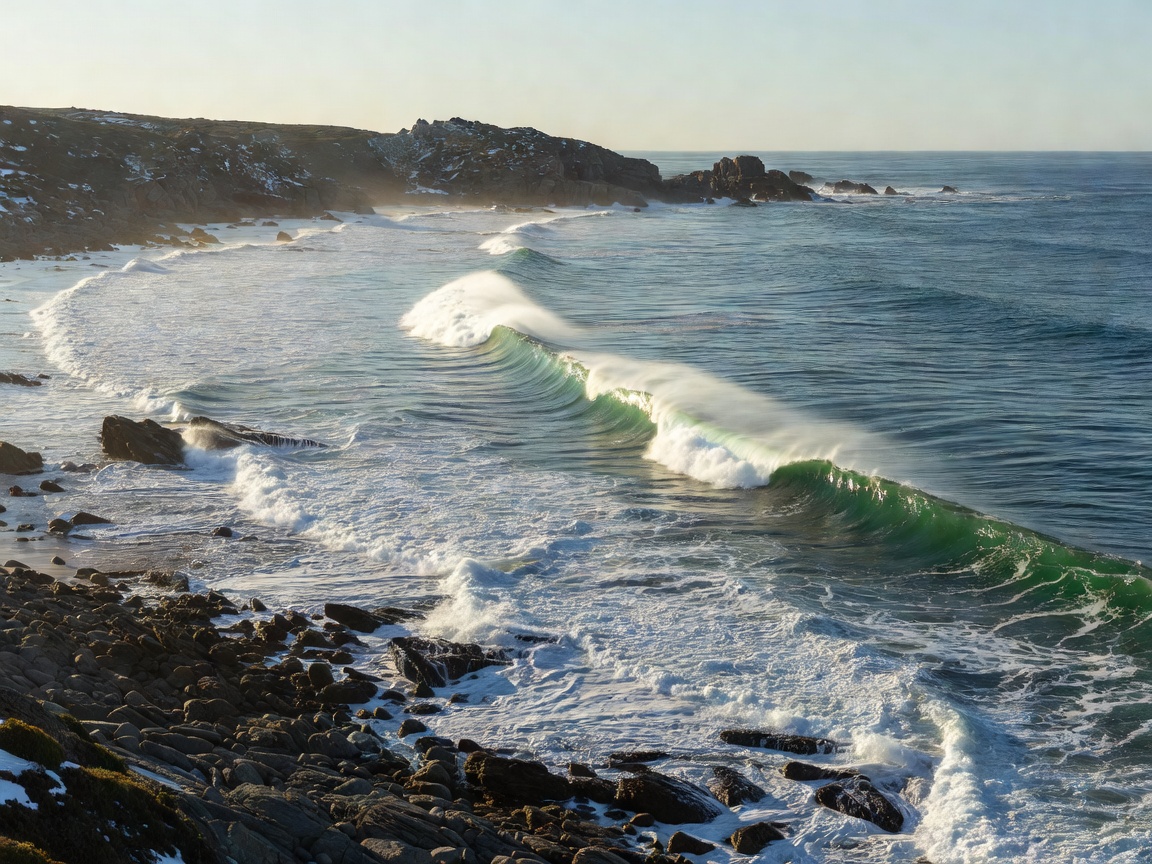
When a deep Antarctic low-pressure system spins south of Cape Agulhas between May and August, the swell wraps around Cape St Francis and organises into stacked corduroy lines marching down the edge of Jeffreys Bay. While world tour cameras focus on the blistering hollow cylinders of Supertubes, the broader bay hosts a tiered ladder of right-handers suited to different speeds.
The Candid Reality: Getting on and off the reef at Supertubes involves timing the slippery keyhole rocks studded with sea urchins—wear 3mm reef booties without hesitation. Surfers who want the thrill of a 300-metre ride without the bone-rattling lip at Supers should walk down the boardwalk to "Point" and "Albatross," where the same swell slows down over deeper cobblestones and sand.
- PRIME WINDOW: May–August (Cold fronts bring crisp WSW offshores)
- QUIVER PICK: Slightly flatter entry rocker board for high-speed trim
- LAY DAY PLAN: Addo Elephant National Park is an easy 90-minute drive east
Raglan (Whaingaroa): The Three Left Points
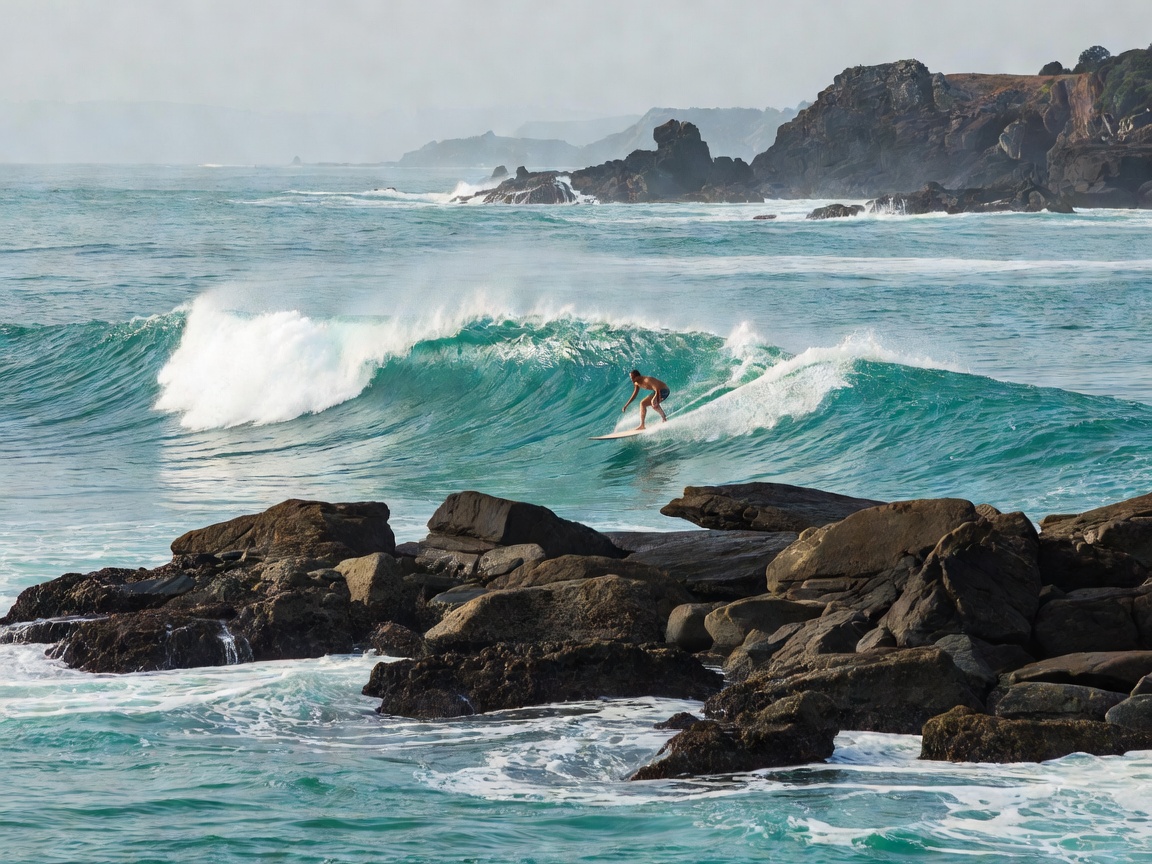
Just two hours south of Auckland airport, the volcanic headland of Raglan curves west into the Tasman Sea, filtering unruly southwest swells into three consecutive left-hand boulder points: Indicators, Whale Bay, and Manu Bay. On a lined-up four-to-six-foot day, a surfer taking off behind the ledge at Manu Bay can link five or six clean cutbacks all the way into the boat ramp channel.
The Candid Reality: Because the takeoff zone at Manu Bay is compact, local respect and patient rotation are essential. Never paddle straight to the inside apex on your first wave. Furthermore, just five minutes closer to town lies Ngarunui Beach—a huge black-sand expanse with forgiving peaks and surf school flags for travelling companions who prefer sand beneath their feet.
- PRIME WINDOW: March–October (Autumn offers the cleanest winds and mildest air)
- TIDE NOTE: Low-to-mid tide offers the longest connected walls across the boulders
- WATER TEMP: 14°C in winter (4/3mm + hood optional); 20°C in late summer
Chicama & Oaxaca Sand Points
For regular-footers and goofy-footers who dream of leg-burning two-minute rides over pure sand rather than coral, two Latin American coastlines stand above the rest. In northern Peru, Puerto Malabrigo (Chicama) catches Southern Ocean swells and peels left for over two kilometres past desert cliffs—so long that local zodiac boats ferry surfers back up the point for a few soles per ride.
Meanwhile, along the Isthmus of Tehuantepec in Oaxaca, Mexico, a string of southerly headlands accumulates river sand behind granite jetties and rocky promontories, producing dreamy, draining right-handers from Barra de la Cruz down to Salina Cruz.
- CHICAMA GEAR: Extra foam (mid-length or fish) to connect softer middle sections
- OAXACA LOGISTICS: Hiring a local 4x4 surf guide unlocks gated dirt-track points before 6:00 AM
- FITNESS PREP: Expect 4-hour sessions; pack electrolyte sachets and long-sleeve rashguards