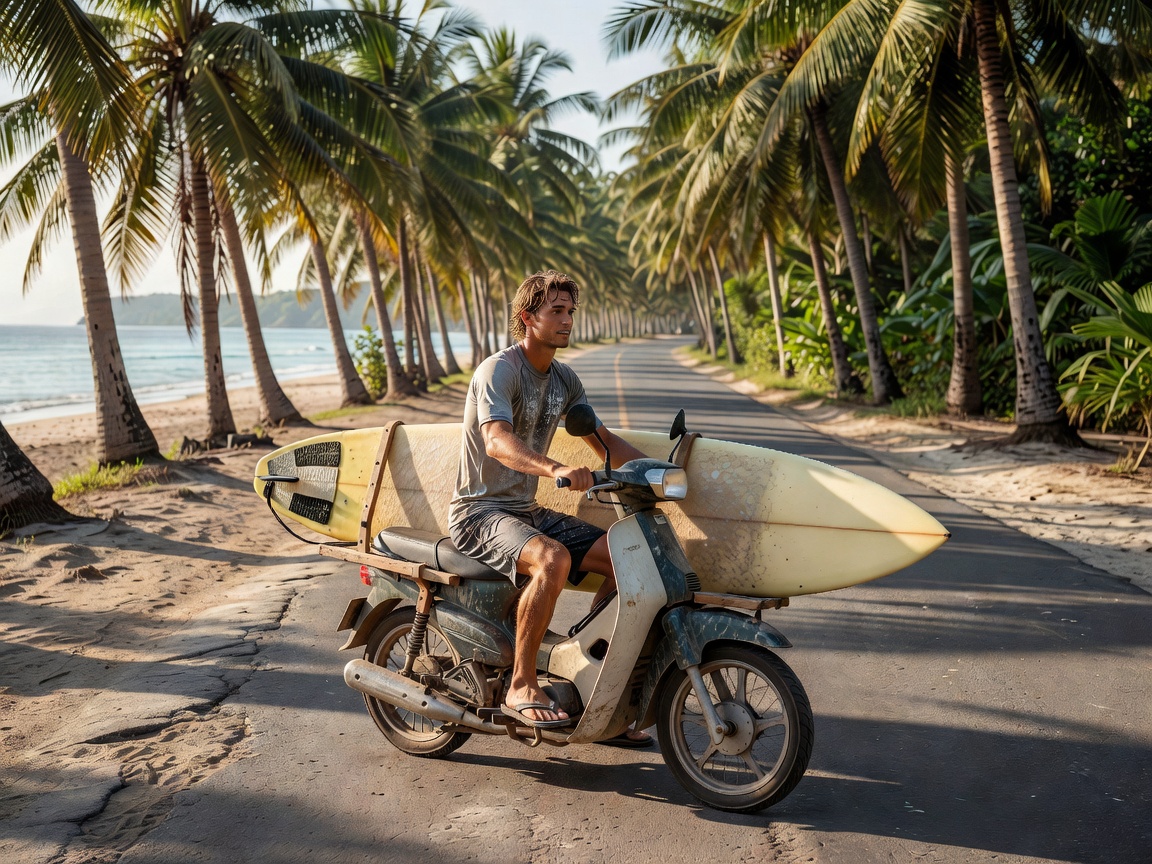
Islands for wave-filled days
Island surf trips strip daily life down to tide charts, boat skiffs, and warm saltwater. Because atolls and offshore island chains have 360-degree ocean exposure, there is almost always a sheltered pass groomed by offshore breeze—provided you understand the transfer logistics and bring every spare leash string and fin key you might need.
The Mentawai Islands: Playground to South Sipora
Located roughly 150 kilometres off the coast of Padang in West Sumatra, the Mentawai chain is the gold standard for reef-pass variety. While photographs of Hollow Trees (Lance’s Right) and Kandui Left look intimidating, the northern "Playgrounds" area around Nyang Nyang and Masokut Island holds over a dozen waves within a fifteen-minute speedboat radius—including Burgerworld, Beng Bengs, and Nipussi, which are genuinely approachable for confident intermediates.
Getting There & Staying Put: Fly into Minangkabau International Airport (PDG) in Padang, overnight near the harbour, and catch the early morning Mentawai Fast Ferry to Siberut or Tuapejat (3.5 to 5 hours), where camp skiffs meet passengers. Pack cash in Indonesian Rupiah for the regional Mentawai surf tax and boat transfers.
- SWELL WINDOW: April–October for heavy groundswell; Feb–March or Nov for playful 3–5ft days
- SPARES REQUIRED: Two 6ft leashes, spare fin set, solar ding resin, reef booties
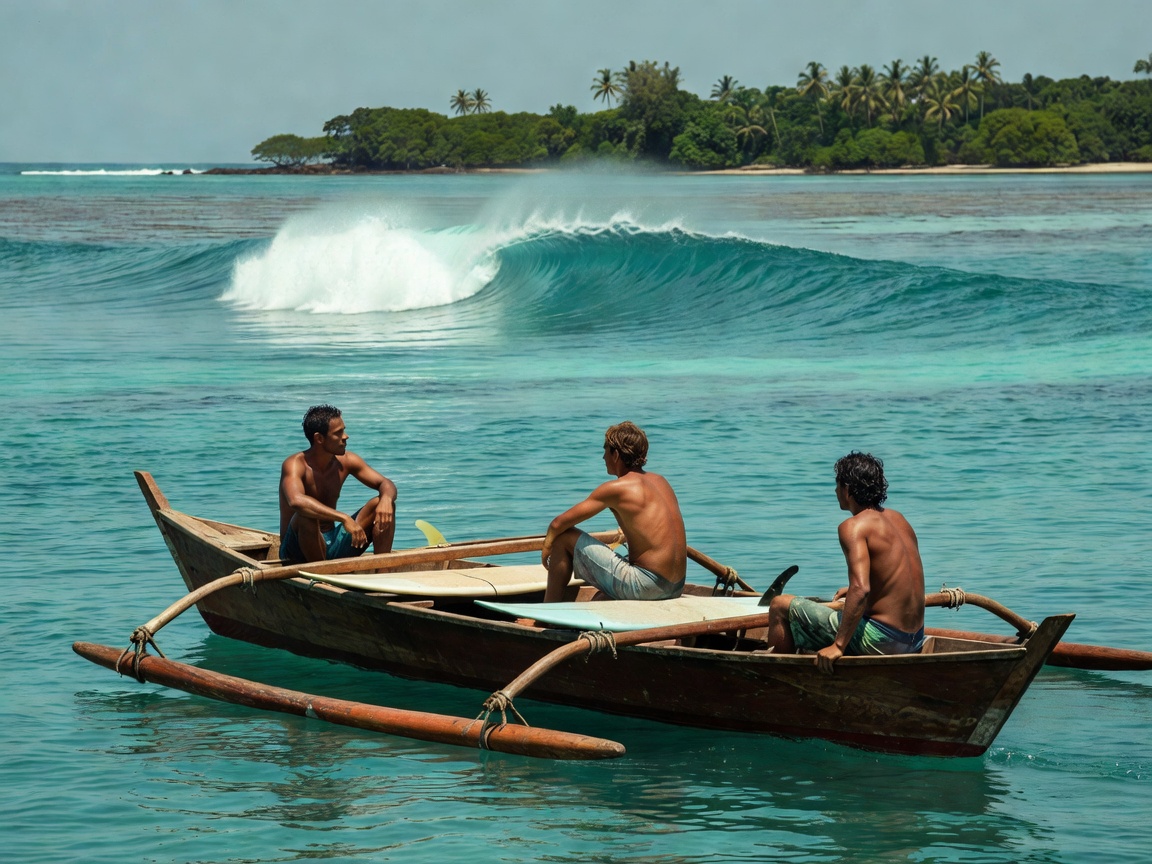
North Malé & Central Atolls, Maldives
If you want warm water, defined channels, and reefs that rarely break with the bone-crushing violence of shallow Indonesian shelves, the Maldives is arguably the most user-friendly reef destination in the world. The coral atolls catch the same southwest Indian Ocean swells that hit Sumatra, but after travelling an extra two thousand miles, the energy organises into rhythmic, shoulder-to-slightly-overhead walls.
Local Island Guesthouses vs Dhonis: You no longer need a luxury resort budget to surf the Maldives. Local islands such as Thulusdhoo (home to Cokes and Chickens) and Himmafushi (home to Jailbreaks and Sultans) are a 30-minute public ferry or speedboat ride from Malé Airport and feature welcoming family-run surf guesthouses.
- PEAK SEASON: May–September (Southwest monsoon brings steady S/SE swells)
- BOARD PICK: Fun performance fish or forgiving daily shortboard; deep channels make paddling out dry-haired common
- CULTURAL NOTE: Local islands are dry (no alcohol) and observe modest dress off the designated bikini beaches
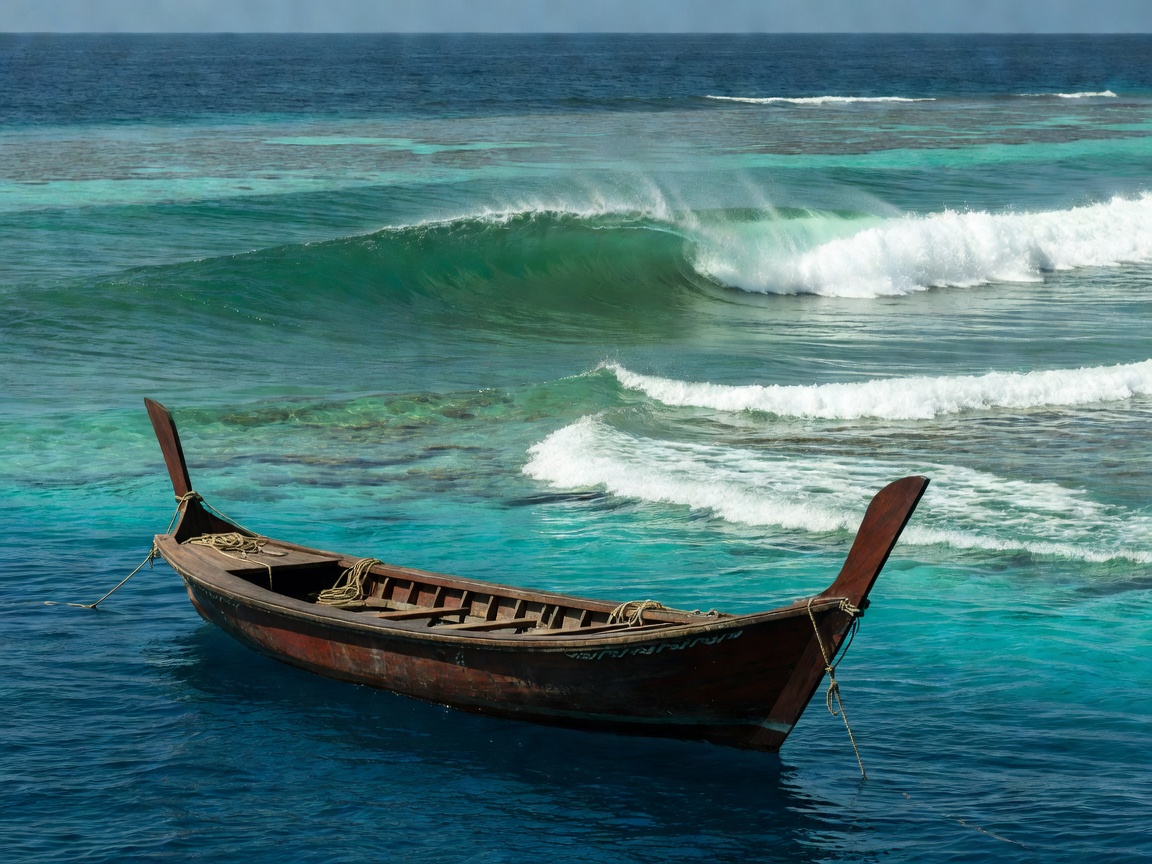
Siargao Island & Oahu’s Two Coastlines
On the eastern edge of the Philippines, tear-drop-shaped Siargao catches open Pacific swells between August and November. Beyond the famous boardwalk planks at Cloud 9, scooter racks carry surfers to Jacking Horse (ideal for learners), Stimpy’s (a dreamy left-hand bowl tested at mid-tide), and boat-access passes like Daku Reef and Rock Island.
Across the Pacific on Oahu, seasonality splits the island in two. From May to September, South Shore Honolulu reefs like Queens, Canoes, and Ala Moana Bowls offer long, sun-drenched rides steps from town. From October to March, the North Shore awakens—where waves like Chun’s Reef and Pua’ena Point near Haleiwa let mortals enjoy Hawaiian energy safely away from the heavy outer ledges of Pipeline and Sunset.
- SIARGAO WINDOW: August–November (Typhoon & NE swell window)
- OAHU TIP: Never underestimate rapid North Shore swell rises; check buoy readings (51001) before paddling out